The One-Anchor Day: Give an Itinerary a Centre
A one-anchor day itinerary protects the visit you care about most while leaving room for weather, delays and unplanned discoveries nearby.
A one-anchor day itinerary protects one visit or activity from the clutter of competing plans. Choose the experience that would make the day worthwhile, settle its essential logistics, and leave the surrounding hours open to weather, energy and local discoveries.
This approach suits travel days when several possibilities appeal but a timetable full of bookings feels brittle. The anchor is not a command to spend the whole day in one place. It is the peg that keeps a loose sheet of paper from sliding off the desk.
Choose the shape of the day before its anchor
Start with the trip’s practical shape, not a list of attractions. Note where you will sleep, how you expect to arrive and leave, and whether the day follows a long journey or an early start. A transfer day may call for a small anchor; a settled day in one neighbourhood can support a longer visit.
Then write down what you want from that particular day: seeing a specific collection, walking a coastal path, eating at a particular market or spending time with someone who lives there. Choosing the experience you value is more useful than counting how many stops might fit into a route.
Choose one priority with a clear reason
Pick an activity that matters to you and can guide the day’s decisions. A museum exhibition, a ferry to a nearby island, a booked meal or an unhurried district walk could all work. For a walk, identify where it begins and what would make you feel you had done it.
Ask whether the day would still feel worthwhile if it offered only this activity. Then check whether it has a practical constraint, such as opening arrangements, a reservation or a departure point. If the activity would not be enough on its own, it may be a stop rather than an anchor; if it has a fixed constraint, use that to shape the day.
Avoid assigning several anchors under one vague heading. “Visit the old town” can quietly expand into a monument, a gallery, lunch, a shop and a guided walk. Narrow it to the part that matters most; leave the rest as possibilities, not promises.
Check the logistics that could change the plan
Confirm the details that could affect your choice: opening arrangements, reservation terms, access, location and the journey there. Check the venue or transport operator directly rather than relying on a search result excerpt. Where the answer depends on an organiser’s instructions or local rules, follow the relevant instructions.
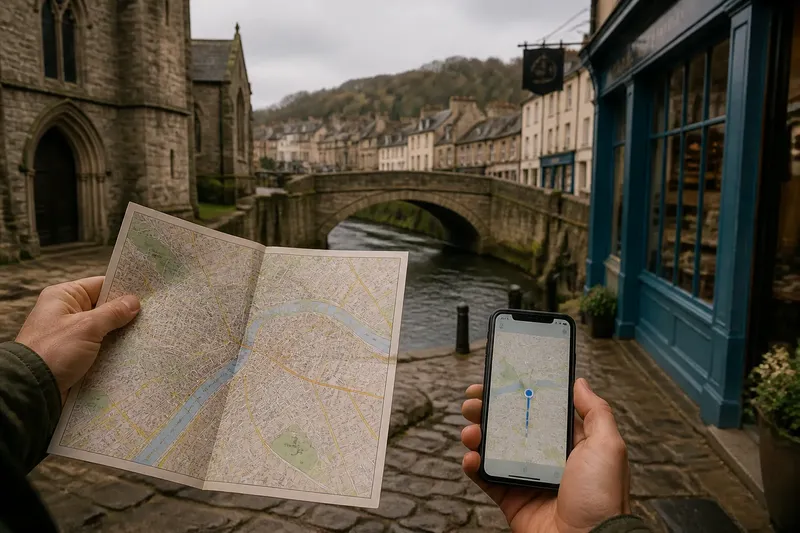
Work out the route from your accommodation or arrival point. A map shows streets, but hills, crossings, queues and transit changes affect how a journey feels. Keep the route simple enough to remember, and note a sensible way back without scheduling every turn.
Choose a time of day that suits the anchor. A morning visit may fit a place that tends to be busy, while a late start may suit a neighbourhood walk. Local conditions and your own pace matter more than an imaginary perfect timetable.
Give the anchor room without filling every gap
Set aside the time needed for the activity and its journey, with breathing space before and after. Do not add another appointment simply because the calendar looks empty. A delayed train, a queue or a particularly good café can use time without asking permission.
For a booking, keep the confirmation and essential details somewhere accessible offline. For an unbooked activity, note its starting point and any detail needed to find it. The aim is to make the central plan easy to carry in your head, not to turn your phone into a small, anxious tour manager.
Leave the remaining hours open. You might note a few nearby options, such as a public garden, a food hall or a riverside path, but treat them as choices for the day rather than a secondary itinerary waiting to catch you out.
Keep the edges of the day flexible
Consider what could make the anchor impractical: poor weather for an outdoor activity, a changed opening arrangement or a transport disruption. Identify one nearby alternative that still suits the day’s purpose. If an outdoor walk becomes unappealing, a gallery or covered market may preserve a day of local exploration without pretending to be the same experience.
Leave at least one easy way to change direction. Avoid a non-refundable add-on where it would restrict your choices, choose a route with a straightforward return, or avoid promising to meet someone across town immediately afterwards. Flexibility needs room to operate.
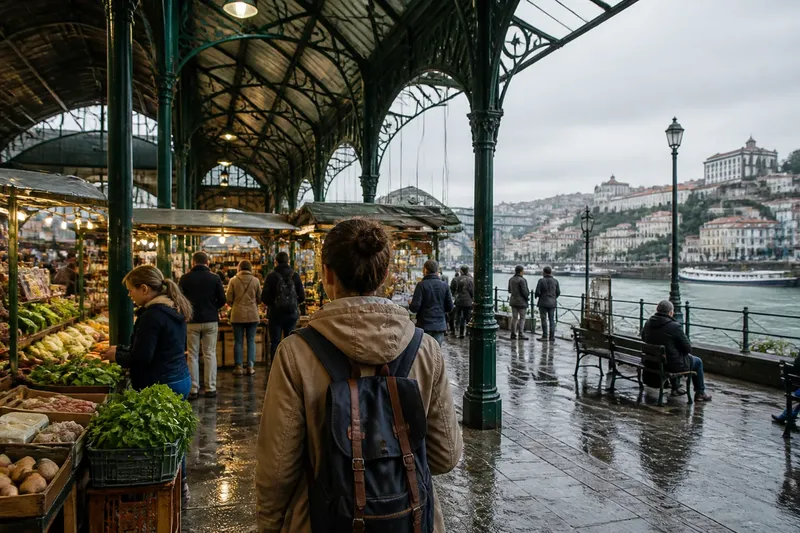
Say you are spending a day in a riverside city and choose its covered market as the priority. You check the market’s current opening information, note the route from your hotel and leave the afternoon unbooked. If the visit takes longer than expected, the day still has a clear centre; if it is brief, you can decide nearby whether to walk by the river or stop at a café.
Use these checks to decide what stays open
- Check the anchor’s current opening information; if it is open at a suitable time, keep it as planned, but if it is closed or its hours have changed, use the nearby alternative or choose a different anchor.
- Check whether a reservation or advance ticket is required; if it is, secure the booking and keep its details accessible offline, but if it is not, note the location and decide when to go on the day.
- Check the route from your starting point for awkward crossings, hills or transit changes; if the journey is straightforward, keep it, but if it is needlessly difficult, choose a closer starting point or another route.
- Check the local forecast for an outdoor anchor; if conditions suit the activity, go ahead, but if they do not, switch to a suitable indoor alternative or postpone the walk.
- Check whether the return journey is easy to change; if it is, leave the afternoon open, but if it depends on a fixed connection, protect that departure and keep nearby options close to the route.
- Check how much energy the day’s arrival or previous activity is likely to leave you; if a longer visit seems manageable, keep it, but if you expect to be tired, choose a shorter anchor or plan a simple return.
What should you do when the plan changes?
How many activities should I plan?
Set one definite priority and keep any additional ideas optional. If another activity needs a booking or a fixed arrival time, decide whether it competes with the anchor before adding it.
Should I book the anchor in advance?
Book when availability or the organiser’s requirements make that sensible, and check the current terms. If advance booking is unnecessary, knowing the location and opening arrangements may be enough.
What if the weather changes?
Identify an alternative before the day that preserves some of the same purpose, such as a nearby indoor place in place of an outdoor walk. On the day, use current conditions to choose rather than defending a plan that no longer suits.
Can a meal be the anchor?
Yes, if the meal is the experience you care about most or gives the day a useful centre in one area. Keep the hours around it open rather than using lunch as a reason to schedule several distant stops.
Let the day end when its purpose is met
When the day is over, note any useful detail to carry forward: a route that worked, a place worth revisiting or something to remember for tomorrow. An unscheduled hour does not need to become a verdict on the plan.
A well-chosen one-anchor day itinerary makes it clear what deserves protection and what can change. Choose the priority carefully, settle its essential logistics, and leave enough unclaimed time for the place itself to have a say.