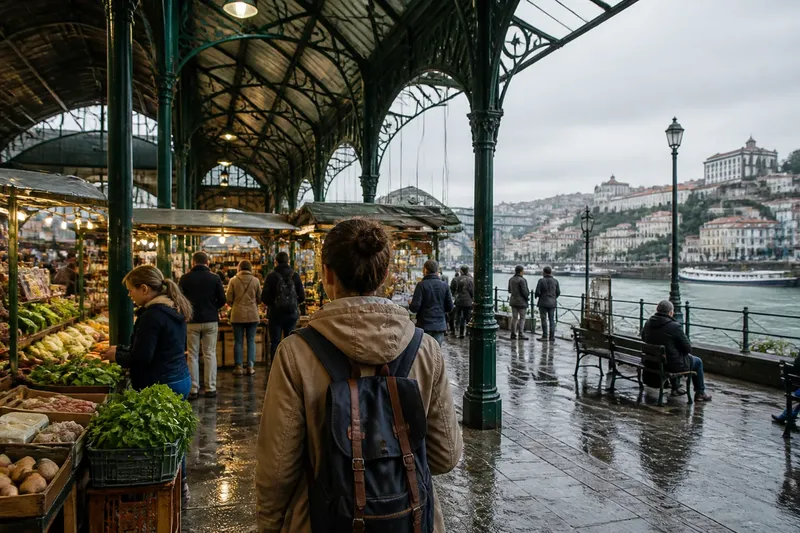
A First Evening in a New Place, Without a Packed Schedule
A first evening in a new place works better with time to settle, orient yourself nearby and choose dinner without turning arrival into another itinerary.
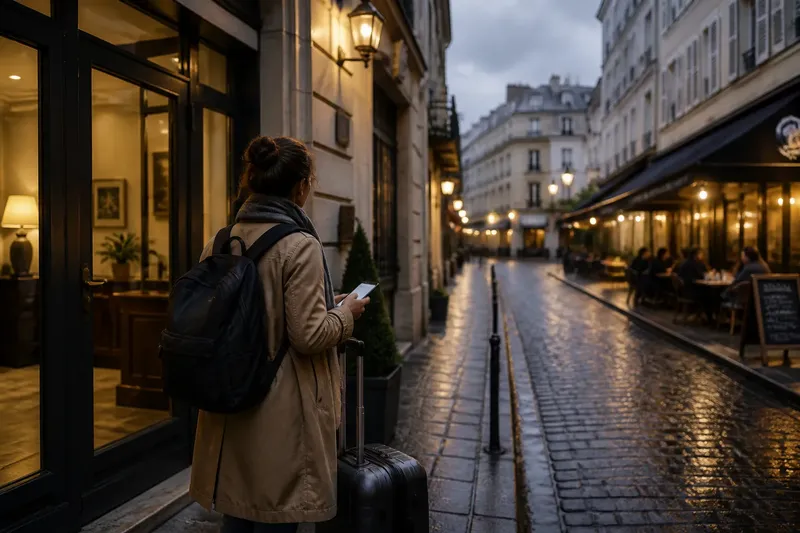
A first evening in a new place is easier when it has only one firm task: get settled. After a journey, a tight sequence of check-in, sightseeing and a booked dinner leaves little room for delays, tiredness or the simple need to work out which way the door opens.
Keep the evening local and adjustable. Unpack what you need, learn the few streets around your accommodation, then decide whether to eat nearby or stay in. The point is not to avoid plans; it is to make the first one small enough to change.
Let arrival set the evening’s pace
Arrival time on a booking confirmation is not the same as the moment you are ready to go out. There may be a queue at reception, a confusing entrance, luggage to store or a room that needs a minute to feel usable. Treat the advertised time as an estimate of when the evening can begin, not an appointment with the city.
Before travelling, check the accommodation’s check-in arrangements and save its address somewhere available offline. If you expect to arrive late, find out how access works and whether there is a useful contact method. These small details reduce the chance that your first local conversation will be conducted through a locked door.
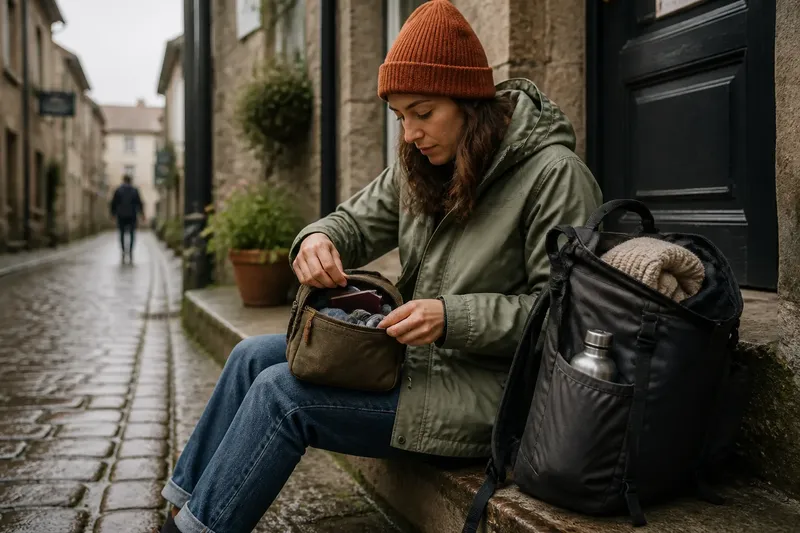
On arrival, do the unglamorous things first: confirm the room, put bags out of the way and locate water, a bathroom and the charging point. Keep the items you may need in the morning easy to reach rather than emptying the whole bag. A room need not be organised like a ship; it should simply stop demanding attention.
If you are staying in a private rental, check the entry instructions before you leave home and read them once more while you have a signal. For a hotel or hostel, note the reception hours and how to get back in. A calm arrival is partly a matter of having fewer tiny mysteries to solve at once.
Make a small local map before leaving
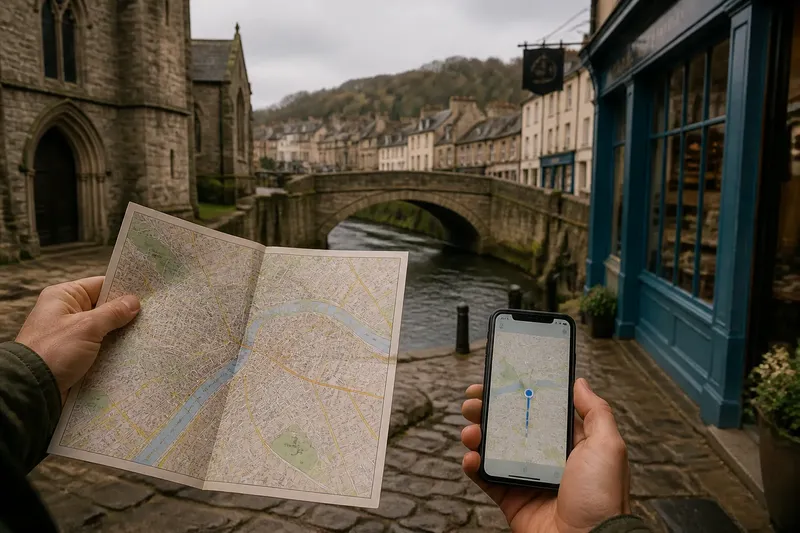
Once you are settled, establish a modest radius around where you are staying. Find the nearest obvious street, a place to buy water or a snack, and a route back that does not depend on remembering a string of turns. A paper map, an offline map on your phone or a quick look at a neighbourhood map can all do the job.
Use landmarks that are easy to recognise from the pavement: a tram stop, a distinctive corner shop, a public square or the front of the accommodation. Street names matter, but a route remembered as “past the station entrance, then left at the bakery” can be easier to retrieve when you are tired. Think of it as putting a bookmark in a book, not memorising the whole chapter.
Look at the practical geography, not just the places that appear in travel listings. Notice where the main road is, whether a crossing is convenient, and which side streets feel like a straightforward route back. You are not assessing the whole district; you are giving yourself enough orientation to move about without turning every junction into a debate.
Pay attention to what is open as you pass. A small grocery, pharmacy or café may be useful tomorrow, even if you do not need it tonight. Store one or two names in your notes if that helps, but avoid making a new errands list before you have even eaten.
Choose dinner for ease, not ceremony
For the first meal, nearby and uncomplicated usually beats ambitious. Look for a place within a comfortable walk, a café with food, a casual restaurant or a shop where you can assemble something simple. If the nearest option is busy or closed, a second choice within the same area is more useful than a long list scattered across town.
Menus displayed outside can help you decide without committing to a seat. Check opening hours before setting off if the evening is late, and consider whether the place welcomes walk-ins. If you have dietary needs, look at the menu or contact the venue in advance rather than relying on guesswork at the door.
Say you reach a small hotel after a delayed train and find a neighbourhood café still serving soup and bread. You leave your bag in the room, walk there using the main street as your route, eat, then return by the same way. The expected result is modest and observable: you have had a meal, seen a little of the area and kept the rest of the evening free.
If you would rather stay in, that is a reasonable arrival plan too. Buy a few basics on the way back if a shop is open, or use the food options already available. There is no prize for proving that you can turn an unfamiliar evening into an excursion.
Keep the first walk short and reversible
A short walk can answer useful questions without becoming a tour. Check where the nearest transit stop is, identify the most obvious route to a main street and notice how long it takes to get back at an unhurried pace. If you feel tired, turn around; a first walk has no obligation to become a loop.
Carry only what the walk needs: your phone, accommodation address, room key or access details, and a payment method. Keep the address available without relying on mobile data. If you are travelling with someone, agree on where to meet again if you become separated, especially in a station area or a crowded street.
When the surroundings feel hard to read, use visible public places as reference points and avoid wandering farther just to complete an imagined route. Ask staff at your accommodation about the simplest way back if something is unclear. For local rules, access arrangements or transport changes, follow current signs and the relevant operator’s instructions.
There is no need to use the first evening to decide whether you like a place. Light, weather, noise and fatigue can colour an initial impression. Make a note of practical things you noticed, then leave broader judgements for a less hurried day.
What should the first evening include?
Should I book dinner before I arrive?
Book ahead if you have a specific need, are arriving during a busy period or want a particular restaurant. Otherwise, keeping dinner flexible lets you respond to delays and energy levels; identify a nearby option and a simple backup rather than reserving an ambitious meal across town.
How much should I unpack?
Unpack only what makes the room easier to use overnight: sleepwear, toiletries, medication and anything needed in the morning. Leave the rest contained so you can find it without converting the floor into a second suitcase.
Is it sensible to explore alone after dark?
That depends on the neighbourhood, your comfort and local conditions, so choose a route and time that feel appropriate to you. If you are unsure, ask accommodation staff about the nearby streets or stay close to the entrance and use a local food option instead.
What if I arrive too tired to go out?
Stay in, eat whatever is practical and prepare the few things needed for morning. You can orient yourself in daylight, when signs and street layouts may be easier to read and the neighbourhood’s everyday rhythm is more visible.
Leave tomorrow easier to begin
Before settling for the night, make a small note of the address, the route back from the nearest useful landmark and any detail you would otherwise have to rediscover. Put your keys, travel documents and morning essentials in a consistent place. These are not grand preparations, merely a courtesy to your future self, who may be operating before coffee.
Keep the note practical rather than turning it into a provisional sightseeing plan. Record what is genuinely useful: a nearby stop, a shop you saw open or a reception detail. If you have not established a route or found an open café, do not manufacture certainty; check in the morning or ask someone who knows the area.
A first evening in a new place can be successful without producing a memorable photograph. If you have arrived, eaten, recognised a few nearby landmarks and made it easy to get back to your room, the evening has done its work. Leave one small choice for tomorrow, when you will have a better sense of the place and your own energy.